
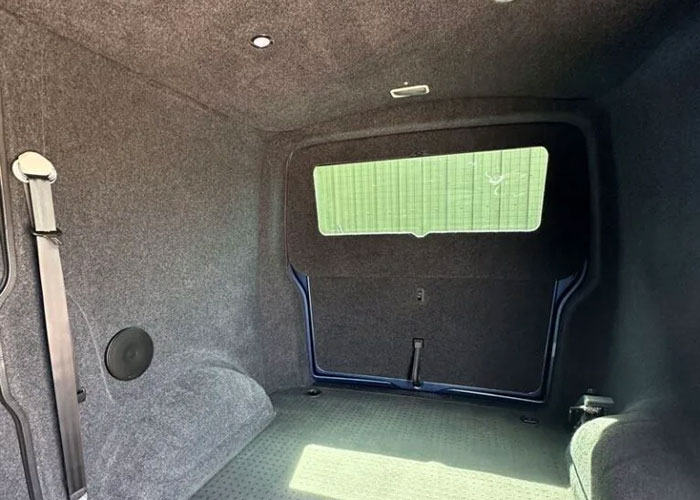
Campervan lining explained – why it matters more than you might think
When people think about a campervan conversion, their attention is usually drawn to the big features: kitchens, beds, solar systems, and furniture. However, one of the most important stages of any conversion happens much earlier in the build process - campervan lining.
A professionally lined campervan doesn't just look better. It feels warmer, quieter, more refined, and far more comfortable to spend time in. It's the stage that transforms a cold commercial vehicle into a welcoming living space.
In this guide, we'll explain what campervan lining is, why it's important, and what separates a professional installation from an average one.
What is campervan lining?
Campervan lining refers to the process of covering the exposed metal surfaces inside a van with materials designed to improve appearance, comfort, and practicality.
Typically installed after insulation and soundproofing, lining creates the finished surfaces that you'll see and interact with every day.
Areas commonly lined include:
- Side walls
- Rear doors
- Sliding doors
- Wheel arch covers
- Pillars and structural sections
- Ceiling panels
The result is a clean, professional interior that feels purpose-built rather than converted.
Why is campervan lining important?
While lining undoubtedly improves the appearance of a campervan, its benefits go much further than aesthetics.
A warmer, more comfortable interior
Lining works alongside insulation to help regulate temperature throughout the van. It creates a softer internal environment and helps prevent the cold, industrial feel often associated with exposed metal panels.
Reduced noise levels
Carpet lining and interior trim materials help absorb sound and reduce echoes within the vehicle. Combined with soundproofing, this creates a noticeably quieter and more relaxing space.
A more durable finish
The interior of a campervan experiences constant use. Professionally installed lining helps protect surfaces from everyday wear while maintaining a tidy appearance for years to come.
A premium appearance
Perhaps most noticeably, lining creates the finished look that brings a conversion together. Clean lines, consistent finishes, and neatly trimmed edges make all the difference between an average conversion and one that feels professionally built.
Choosing the right lining materials
There are several options available when lining a campervan, each offering different benefits depending on the style of build.
Automotive carpet lining
One of the most popular choices for campervan conversions. Benefits include:
- Soft-touch finish
- Excellent flexibility around curves and corners
- Improved acoustic properties
- Durable and easy to maintain
- Available in a range of colours
This is the finish commonly found in high-quality campervan conversions due to its versatility and clean appearance.
Carpet-lined panels
Many conversions use removable carpet-lined panels to create a factory-quality finish while maintaining access to hidden areas if required.
Decorative ceiling finishes
Modern campervan conversions increasingly feature decorative ceiling systems, including timber slat panels and acoustic-style finishes, helping to create a more premium and contemporary feel.
Attention to detail makes all the difference
Campervan lining may appear straightforward, but achieving a high-quality finish requires patience, skill, and attention to detail.
Poorly fitted lining often results in:
- Wrinkles and loose sections
- Visible joins
- Uneven edges
- Inconsistent finishes
- Premature wear
At Mark1 Conversions, we take time to ensure every section is carefully prepared and installed correctly. Edges are neatly finished, panels align consistently, and every surface contributes to a cohesive, professional appearance.
It's often these details that customers notice most when they first step inside a completed conversion.
Lining as part of the bigger picture
Lining doesn't work in isolation.
It forms part of a complete system that includes:
- Insulation
- Soundproofing
- Electrical installations
- Furniture fitment
- Ventilation systems
When these elements are planned together from the outset, the result is a campervan that feels integrated, comfortable, and built to a much higher standard.
Can an existing campervan be relined?
Absolutely.
Many customers choose to upgrade older conversions by replacing tired or damaged lining materials. Relining can dramatically improve the appearance and feel of a campervan without requiring a complete rebuild.
It's also an excellent opportunity to add additional insulation, soundproofing, or electrical upgrades at the same time.
Final Thoughts
Campervan lining is one of the most important stages of any conversion, influencing comfort, appearance, durability, and overall quality.
While it may not be the most exciting part of a build on paper, it's often the detail that transforms a van from a simple conversion into a campervan that feels truly finished.
When combined with quality insulation and soundproofing, professional lining creates a space that's warmer, quieter, and far more enjoyable to use, whether you're heading away for a weekend or embarking on a longer adventure.
Looking to improve your campervan?
Whether you're starting a new conversion or upgrading an existing van, Mark1 Conversions can help create a professional, high-quality interior built around your needs.
Get in touch to discuss your project and discover how professional insulation, soundproofing, and lining can transform your campervan.